A UK company prepays two nights in a London hotel. At check-in, reception asks its employee for a physical card to cover incidentals. The room has been paid for, but the traveller still needs a payment method the hotel will accept. A screenshot of the booking card won’t solve the problem if the property wants to see a card in person.
For a finance team choosing corporate travel cards, the useful unit of comparison is one whole trip. Who can pay for the booking? What must the traveller present on arrival? Which charges or holds could reduce the funds available for the rest of the journey? Answer those questions for each supplier before setting a travel budget or issuing a card.
Choose how the company will pay
A corporate travel card pays for authorised business travel, from a train ticket to a hotel bill. Three choices matter. The funding model determines whether spending draws on company funds or a credit facility. The format determines whether someone has a physical card or digital card details. The booking arrangement determines who can use the card and authenticate a payment. A virtual card can be funded in different ways. A plastic card can still be the wrong type for a hire desk.
| Payment setup | Best use | What finance should check |
|---|---|---|
| A centrally paid booking | An authorised booker pays for a named employee’s flight, rail ticket or room. The company receives the charge. | Confirm the supplier accepts the arrangement, who can authenticate it, and where the receipt and booking reference will go. |
| A physical card in the traveller’s name | The employee pays approved on-trip expenses or presents their card at a desk. Finance can match spending to the cardholder. | Check the card type, name, limit and available funds. The holder keeps control of the card and its authentication details. |
| Reimbursement by exception | The employee advances an agreed expense and submits a claim. This can cover an authorised exception. | Agree the ceiling, evidence and repayment timing before relying on personal funds. Have another route if the employee cannot advance the cost. |
For an occasional traveller, a centrally booked ticket and room may cover most of the itinerary. For someone who regularly drives between sites, collects hire cars or arrives late, a suitable card in their name may matter more than centralising every purchase. The booking team can use the same test for both employees.
Check the booking and deposit requirements
A reservation can be guaranteed with card details without collecting the full price. Prepayment means the supplier takes some or all of the agreed charge before arrival. A pre-authorisation temporarily reserves funds or credit. When the final charge posts to the account, compare it with the supplier’s itemised bill. Ask which of these steps the booking confirmation covers.
| Trip stage | Confirm before authorising spend | Record or retain |
|---|---|---|
| Online booking | Who charges the card, when and in which currency? Which card types and payer names are accepted? Who can authenticate? | Booking reference, payment terms, cancellation deadline and payer. |
| Hotel check-in | What has been paid? Is a third-party authorisation form needed? Must the guest present ID or a named physical card for extras? | Property’s written instructions, guest name and contact at reception. |
| Car-hire collection | Which card types, names and ID does this branch accept for this vehicle? Must the payer attend? | Terms for the booked class and branch, plus driver and deposit requirements. |
| Deposit or hold | Hold or charge? What amount, balance and limit are needed? What will be left for the next booking, and how is release handled? | Pending transaction, amount, currency, date and supplier reference. |
| On-trip purchases | Can the employee use and authenticate the card? Who can approve another payment method if it is declined? | Limit, fallback method and after-hours contact. |
| Currency and charges | What are the supplier’s quote currency and the card’s billing currency? Which conversion or transaction fees apply? | Dated tariff and the supplier’s quote or terminal receipt. |
| Expense records | Who obtains the itemised invoice? How will finance identify the traveller, trip and business purpose? | Invoice or receipt, trip reference and cost allocation. |
| End of trip | Does the posted charge match the final bill? Is a refund missing or a hold still open? | Reconciled record, named follow-up owner and date. |
Send the answers to the traveller with their itinerary. “The room is prepaid. Bring your named physical card for parking and incidentals” is useful at reception. “Hotel paid” leaves the two most important questions open.
Apply the checks to a real itinerary
Flights and hotels booked by someone else
British Airways allows someone who is staying behind to buy a ticket for another person. Its booking guidance asks the payer to enter the traveller as the first passenger and pass on the itinerary receipt. The travel desk should forward the booking reference to the person flying and route the receipt to the person reconciling the charge. Check the carrier’s rules for the specific booking.
Hotels can split the bill between the company and the guest. If a travel management company sends a virtual card for room and breakfast, ask the property to confirm what it may charge to that card. Parking or meals might need a different payment method. Tell reception where to send the itemised bill, and give the traveller a way to reach the booking team if the agreed payment instructions are missing.
Hilton’s payment guidance says an advance payment can still leave an incidental hold at check-in. Individual properties set their own payment requirements. For example, London’s Sloane Square Hotel asks advance-purchase guests to present the credit card used for the booking. It also asks for identification and a physical card at arrival, with a £25 daily pre-authorisation for incidentals. Before booking that rate for a colleague, agree an alternative with the property in writing or choose a rate the traveller can use.
Car hire and the named driver
Check the collection branch and the booked vehicle class. Enterprise UK requires an eligible card in the main driver’s name, excludes prepaid cards and requires a credit card for certain vehicle classes. Even within one itinerary, a card that worked for a hotel may fail that test. Ask for the hire cost and the deposit separately, and confirm which balance must be available when the employee collects the keys.
Europcar UK illustrates the difference between paying and collecting. Under its third-party credit-card policy, the driver and payer must attend collection together. The payer brings the physical card and proof of address. The branch may still require a separate deposit method in the driver’s name. Booking the car on a manager’s card while the manager stays at head office would leave the employee unable to meet those terms. A different payment arrangement or supplier can be agreed before the trip.
Compare the costs the company will actually incur
Price the same itinerary with each provider. For Wallester, start with the UK Business pricing and fee schedule. Record the account fee, the cost of the number of cards needed, physical delivery, the card billing currency and the conversion charge for the planned foreign-currency spend. If the traveller expects to withdraw cash, check both the provider’s tariff and any charge displayed by the ATM. Keep supplier charges, such as a hotel parking fee, separate from card-provider fees.
Also compare the funds needed during the trip. A deposit hold can reduce available spending capacity even if it never becomes an expense. The supplier can release the hold, but when funds become available again can also depend on the card issuer. A budget that covers the room, train and meals may still be too low if the hotel hold remains open when the employee reaches the hire desk. Record the expected hold separately from the cost forecast and ask each supplier how a release or refund can be followed up.
Bring the travel payments into the accounts
For centrally booked travel, the transaction may be in the travel desk’s name and the invoice in the guest’s. Give finance a common reference across the booking, card transaction and expense record. For traveller-paid items, ask for an itemised receipt and business purpose. A card statement can match the amount and date, but it may not identify a second guest, a personal extra or the service supplied.
Before choosing an expense platform, test one complete transaction with the bookkeeping team. Attach a receipt, allocate the traveller and cost centre, export or sync the record, and inspect what arrives in the ledger. Then try a refund. Check whether the attachment, tax details and original transaction reference survive the process, and who resolves missing information. A record may still need review before it can be used for tax reporting.
How Wallester Business fits
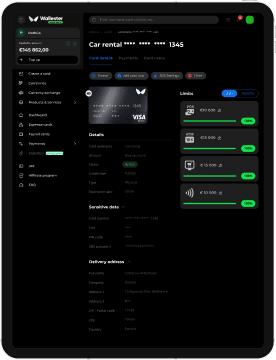
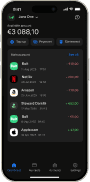
Wallester Business offers physical and virtual Visa debit cards linked to the company’s funded account. Finance can allocate a card to an authorised user, set individual spending limits and review transactions. A traveller can use the app to attach a receipt or freeze a lost card. Allow enough accessible funds for planned purchases and any expected holds. A higher limit cannot make a debit card eligible for a rental that requires credit.
For central bookings, the virtual cards for business travel guide covers ways to organise booking payments. For expense records, review the accounting integrations for Xero and QuickBooks Online with the person who will post the entries. Check how they review mapped transactions and start the sync. Use the employee card checklist if you are also choosing cards for everyday staff spending.
Pilot one trip before a wider rollout
Start with a journey that includes an online booking and an in-person payment. Name a booking owner and a backup who can approve exceptions during the trip. Ask the traveller to check their card, PIN and authentication access before departure. Give them a contact for a lost card or a refusal at the desk, along with the agreed fallback and the receipts they will need.
After the trip, reconcile the final invoices, identify any pending holds and assign follow-up dates. Ask the traveller where the process broke down. If the hotel had no record of an agreed virtual payment, fix how the authorisation reaches reception. If the hire desk declined the card type, change the booking instructions for that branch. Those are different problems and need different fixes.