The first brand deal is easy to manage with a personal bank card. The twentieth, however, is an entirely different story.
Most creators start out as a one-person operation: filming, editing, and posting, with the odd sponsorship payment landing in a personal account just like any other deposit. But once the deals start compounding, and freelancers, subscriptions, travel, and ad spend get added on top, that same creator is running a business, whether they planned to do so or not.
Nearly 70% of creators now maintain three or more income streams, and that mix is what tends to separate a sustainable creator career from a short one. Simply put, every stream is another set of payments, invoices, and expenses to keep straight.
One Account Stops Working Fast
Most creators start with a single bank account and card. It’s often the same one they’ve had since school. And that’s fine when there’s one sponsorship a quarter and the numbers are small enough to hold in your head.
But it tends to stop working once payments start arriving from different brands, sometimes in different currencies as well. They sit in the same feed as an editor’s invoice, a software subscription, and a plane ticket for a brand trip. Everything blends into one account alongside rent and groceries, and untangling it later, especially at tax time, becomes a long and tedious task.
In short, mixing personal and business money is the single most common financial mistake creators make. It matters even more for anyone who has set up a company specifically to limit their personal liability: keeping the money separate is usually part of what makes that structure hold up in the first place.
A Healthy Bank Balance Isn’t the Same as a Healthy Business
Brand income rarely arrives on schedule. One month brings three sponsorships, then the next brings none, and payment terms range from immediate to ninety days. Judging the state of the business by whatever number is sitting in the account is an easy habit to fall into. Also, it’s an easy way to spend money that’s already owed to an editor, a tax bill, or next quarter’s ad budget.
The creators who avoid this set aside a fixed share of every payment the moment it lands. That’s how they prevent that money from looking like spare cash. It’s also worth checking with an accountant early on, because free products and paid trips from brand deals can count as taxable income in some places, even when no invoice changes hands.
Wallester’s client-facing teams say the same pattern comes up again and again: a creator manages fine on one account and one card until a second or third brand starts paying at the same time, or a first international deal lands in a currency their bank doesn’t handle well. That’s usually the point where the personal setup runs out of road, and it tends to happen earlier than most creators expect.
Scaling a Creator Business Means More Cards, Not Fewer
As the business grows, so does the number of people spending on its behalf. It’s logical. An editor needs software, a manager books travel, an assistant runs ads to promote a new collaboration, and so on. Obviously, handing over the same personal card, or a shared login, creates the same problem ticket resellers and ad-buying agencies run into at scale: no way to tell who spent what, no limits, and no visibility until the statement arrives.
The fix is the same one other high-volume, multi-person spending businesses land on. Use separate cards for separate people and purposes, with limits that match the job, and a live view of spending instead of a monthly surprise.
Where Wallester Business Fits In
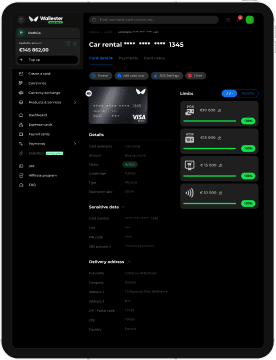
Wallester Business gives creator businesses the tools to manage brand deal income and team spending in one place. Businesses can:
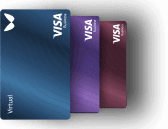
- Issue 300 free virtual Visa cards instantly for editors, managers, and contractors
- Set custom spending limits by person or project
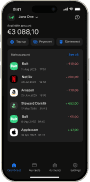
- Monitor transactions in real time from one dashboard
- Exchange funds across 10 currencies with no service fees, useful when brand payments come from different countries
- Generate spending reports instead of reconstructing them at tax time
- Integrate directly with Xero and QuickBooks
- Complete remote onboarding, typically within hours
A personal card can carry a creator through the first few brand deals. But past that, the habits that protect the business are the ones that let it keep growing: separate accounts and a payment structure that scales with the income.