A business can use PayPal to collect customer payments, pay overseas suppliers or buy software. Those jobs create different costs and different problems. A retailer replacing its checkout needs a different shortlist from a finance manager who needs separate cards for employees and advertising accounts.
This guide compares eight PayPal alternatives by payment acceptance, international transfers and company spending. It uses UK pricing examples where a published UK tariff exists, with eligibility notes for European businesses. Brex is included as a US option with specific company requirements.
Some businesses will need two providers to cover receiving payments and company spending.
What Is a PayPal Alternative?
A PayPal alternative is a service that replaces a particular PayPal workflow. It might collect a customer’s payment, move money between currencies or give employees a controlled way to spend company funds.
Merchant payment providers handle the receiving side. They process payments through an online checkout, payment link, card terminal or bank collection. Business accounts and transfer services help companies receive funds and pay suppliers. Corporate card and expense platforms connect purchases to spending limits, receipts and accounting records.
These categories overlap. Some providers offer several products, but each product has its own eligibility and fees. A virtual business card does not, by itself, give a website a checkout. Similarly, accepting card payments does not automatically give every employee a company card. Our guide to e-commerce payment systems explains the receiving side in more detail.
Why Businesses Look Beyond PayPal
Compare the actual transaction cost. PayPal’s UK business fee schedule charges 2.9% + £0.30 for domestic payments in its All Other Commercial Transactions category. Eligible domestic Visa and Mastercard payments through Advanced Credit and Debit Card Payments use a 1.2% + £0.30 blended rate. Comparing every competitor against the higher figure would distort the result.
Separate conversion from processing. A customer payment can incur a processing charge and a currency conversion charge. For supplier payments, compare the amount the recipient receives after all fees. The mechanics of cross-border payments explain why the advertised transfer fee tells only part of the story.
Give spending an owner. PayPal offers a UK Business Debit Mastercard, so a comparison should not assume it has no cards. The question is whether your chosen product provides the card quantities, individual controls and receipt workflow your team needs.
Plan for payment reviews. PayPal explains that identity checks, disputes and changes in selling activity can affect funds availability. Moving provider cannot guarantee that every payment will clear without review. Check payout terms and keep enough operating cash to cover a delay.
PayPal Alternatives at a Glance
Prices below describe different products and payment types. Treat them as starting points for a quote. UK prices do not automatically apply to an EEA-registered merchant.
| Provider | Main Job | Price Example | Check Before Choosing |
|---|---|---|---|
| Wallester Business | Company cards and expense control | Free plan: €0/month, 300 virtual cards | Card spending and checkout have different requirements |
| Wise Business | International receipts and transfers | UK full-feature setup: £50 once | Transfer route and new-customer card acceptance |
| Stripe | Online checkout and subscriptions | Standard UK cards: 1.5% + £0.20 | Card category, currency and additional products |
| Square | Counter sales and online commerce | UK cards in person: 1.75% | Sales channel and card origin |
| GoCardless | Bank collections and recurring invoices | UK Standard: 1% + £0.20, capped at £4 | VAT and high-value Direct Debit surcharge |
| Mollie | Checkout with local payment methods | UK domestic consumer Visa/Mastercard: 1.20% + £0.20 | Merchant country and card category |
| Brex | Corporate spending for eligible US companies | Essentials: $0; Premium: $12/user/month | US incorporation and other eligibility requirements |
| Payoneer | Marketplace and international business receipts | Fees vary by method and account | Local tariff and product availability |
Card and Expense Capabilities
Features depend on the country, account and plan; the provider sections below explain those conditions.
| Provider | Cards | Controls and Expense Records | Accounts and Currency | Integration Route |
|---|---|---|---|---|
| Wallester Business | Virtual and physical | Card limits, receipts, user permissions | IBAN subject to eligibility; multi-currency accounts and exchange | Xero and QuickBooks Online |
| Wise Business | Physical and digital team debit cards | Limits, receipts and bank-transfer approvals | Supported currency balances and receiving details | Xero, QuickBooks, FreeAgent |
| Stripe | Separate Issuing programme | Controls vary by programme; separate setup | Payment settlement depends on market and product | Payment APIs and Billing |
| Square UK | Prepaid Square Card | Sales reporting and transaction records | Square Balance; local-currency POS | Connected POS and online tools |
| GoCardless | Bank collections | Collection records; staff card controls outside this product | Bacs/SEPA collections | Accounting integrations |
| Mollie | Debit cards through a separate business account; eligibility applies | Payment reporting; check card controls for the available account product | Separate business account; confirm availability for your business and country | Checkout and recurring payments |
| Brex | Corporate cards | Limits, receipts, policy controls by plan | Business account tools; US eligibility | Accounting integrations |
| Payoneer | Eligible physical and virtual commercial cards | Limits, permissions, expense management | Supported balances and receiving details | Marketplace and business payment tools |
The 8 Best PayPal Alternatives for Different Business Needs
1. Wallester Business: Company Cards and Expense Control
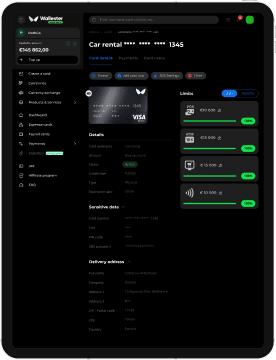
Wallester Business combines a business account, company cards and expense management. Dedicated IBAN availability depends on the company’s industry and country of incorporation. It also supports multi-currency accounts and currency exchange. Its strongest fit here is a team organising software subscriptions, employee expenses or advertising spend.
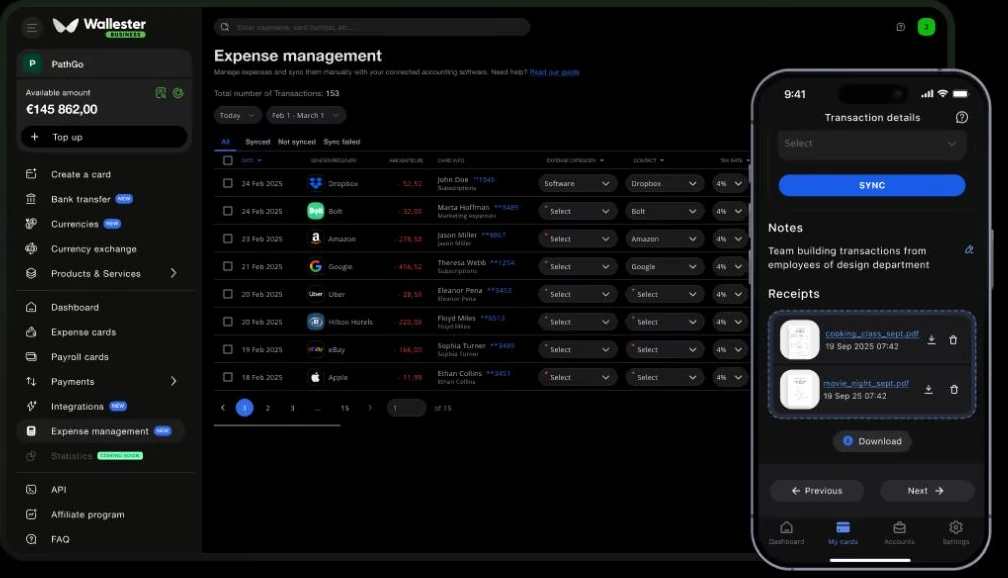
Pros: The business virtual cards offering separates spending across cards with individual controls. A dedicated subscription card gives finance a distinct payment record to reconcile, even when customers continue paying through PayPal.
What Makes It Different
- Virtual and physical company cards for business purchases.
- Per-card spending limits and card controls.
- Transaction visibility through web and mobile access.
- Receipt collection linked to the expense management workflow.
- Roles and permissions for different users.
- Accounting integrations, including Xero and QuickBooks Online. Review and user-triggered synchronisation are part of the accounting workflow.
Who It Is Built For
- Finance teams following up on missing receipts.
- Agencies separating advertising and software purchases.
- Companies giving employees cards with defined limits.
Wallester Business pricing starts with a €0 monthly Free plan and 300 virtual cards. Premium costs €199 per month with 3,000 virtual cards; Platinum costs €999 with 18,000. Physical card issuance is available across these plans. Delivery and other applicable charges remain separate, so the Free plan does not make every transaction or service free.
Cons: Card controls solve a spending task; customer payment collection needs its own assessment. Test how your payment provider’s payouts and Wallester’s expense records reach the accounts.
Customer reviews can help frame that test. Wallester has 4.7/5 on G2 and 4.8/5 on Capterra. G2 reviewer Neelu U. wrote on 4 August 2026 about “how easy it is to upload receipt directly to each transaction”. Deepesh R. wrote on 27 July 2026 that “the onboarding process can be a bit confusing”. Both reviews were marked as incentivised seller invitations. They describe individual experiences, not guaranteed outcomes.
Why choose: Choose Wallester when the immediate problem is controlling company card spending and collecting expense records. Explore Wallester Business and test the receipt-to-accounting process with a small group of users.
2. Wise Business: International Payments and Currency Management
Pros: Wise Business provides receiving details and transfer quotes for supported international payments. A finance team can examine the receiving route and the cost of paying suppliers in another currency.
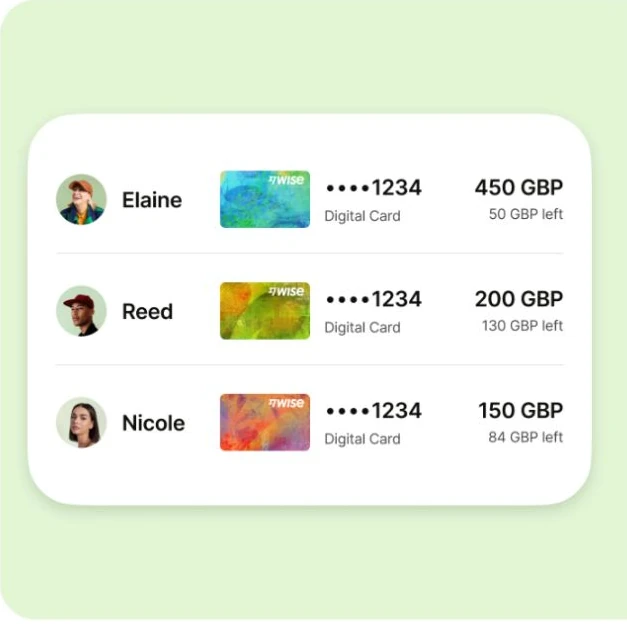
Its business tools include:
- Receiving account details in supported currencies.
- International transfers and currency conversion.
- Physical and digital team debit cards.
- Permissions and approval workflows for bank transfers.
- Receipt collection and spending limits.
- Connections to Xero, QuickBooks and FreeAgent.
UK pricing includes a £50 one-off setup charge for the full feature set and account details, with no monthly subscription. Sending and conversion fees start at 0.24%, but the actual quote depends on the currency and route. Check any receiving charge as well, particularly for wire or Swift payments.
Cons: Wise’s Help Centre says getting paid by card is unavailable to new Wise Business customers. A payment link should not be treated as a guaranteed new card checkout.
Reviews: G2 rates Wise Business 3.8/5. In November 2025, Moises T. liked multi-currency handling and clear rates, but noted that frequent transfers and conversions could accumulate fees.
Why choose: Shortlist Wise for international bank receipts and supplier payments. Check the transfer quote against the exact amount and currency your recipient needs.
3. Stripe: Online Checkout and Subscription Billing
Pros: Stripe offers no-code Payment Links alongside APIs for customised payment flows and recurring billing.
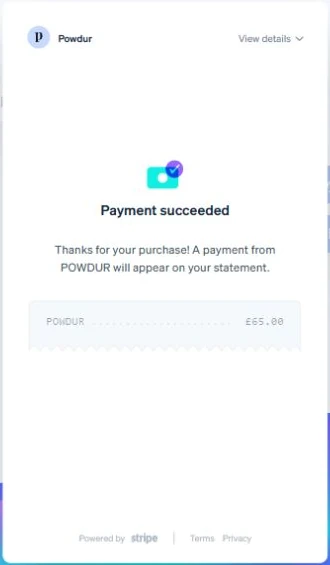
Its capabilities include:
- Hosted checkout pages.
- Reusable payment links.
- Card and supported local payment methods.
- Subscriptions and usage-based billing.
- Payment retries and a customer billing portal.
- Invoice creation and payment reminders through its billing tools.
Stripe’s UK pricing is 1.5% + £0.20 for standard UK cards, 2.8% + £0.20 for premium UK cards and 2.5% + £0.20 for EEA cards. Other international cards cost 3.15% + £0.20. EEA and other international cards add 2% when conversion is required. Billing has separate charges. Stripe charges £20 for each dispute received and another £20 if you respond manually. The manual-response fee is refunded when you win; network fees can also apply in rare cases.
Cons: Custom checkout requires implementation and maintenance. Stripe Issuing is a separate card-programme product with its own eligibility and implementation requirements.
Reviews: Stripe Payments on G2 scores 4.2/5. In August 2026, SaaS founder Matias D. praised integration and API flexibility, but found fees harder to understand across countries and billing configurations.
Why choose: Shortlist Stripe for checkout and subscriptions when you need control over the customer payment flow. Compare the complete cost with the particular PayPal product you use.
4. Square: Shops and Service Businesses Selling Across Channels
Pros: Square connects counter transactions, online orders and invoices within one operating system.
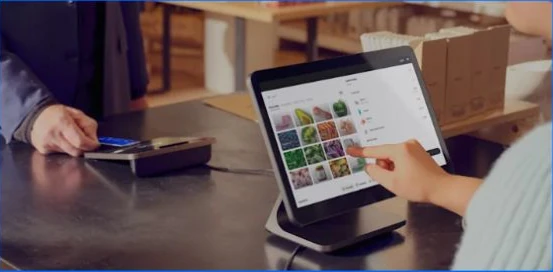
Its UK product range includes:
- Point-of-sale software and card acceptance.
- Online store and checkout tools.
- Invoices, estimates and payment reminders.
- Payment links and QR payment tools.
- Appointment booking.
- Sales reporting and inventory tools.
UK processing fees depend on the channel. In-person UK-card payments cost 1.75%, with an extra 1.95 percentage points for non-UK cards. Square lists online storefront rates of 1.4% + £0.25 for UK cards and 2.5% + £0.25 for non-UK cards. Confirm any additional international transaction fee for your payment channel. Invoice card payments and manual entry cost 2.5% for UK cards, plus 1.95 percentage points for non-UK cards. Hardware and optional software plans add costs.
Cons: Square’s European processing coverage includes the UK, Ireland, France and Spain, with country-specific requirements. POS uses the merchant’s local currency. The UK Square Card accesses funds held as e-money in Square Balance.
Reviews: Square Payments on G2 scores 4.5/5. In an incentivised April 2026 review, Seth R. valued in-person and online payments, but found complex invoices involved too many clicks.
Why choose: Consider Square when in-person sales and online orders need to connect. Price the actual mix of channels and customer cards before comparing it with PayPal.
5. GoCardless: Recurring Invoices and Bank Collections
Pros: GoCardless collects payments from customers’ bank accounts, with scheduled collections for regular invoices or memberships. Mollie completed its acquisition of GoCardless on 1 September 2026; GoCardless continues to operate as a Mollie company.
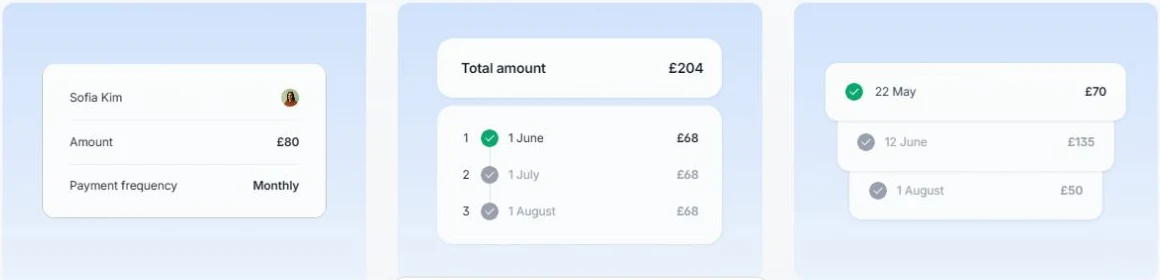
Its collection tools include:
- One-off bank collections.
- Recurring payment schedules.
- Hosted and embedded payment pages.
- Accounting integrations.
- UK Bacs collections.
- European SEPA collections, subject to scheme and account eligibility.
The published UK Standard domestic fee is 1% + £0.20 per transaction, capped at £4, excluding VAT. For domestic Direct Debits above £2,000, an additional 0.3% applies only to the portion above that threshold. Optional services and international collection can change the total. A £100 domestic collection at the Standard rate costs £1.20 before VAT, without optional charges.
Cons: Bacs collection and payout involve several business-day stages. Build them into cash-flow planning. GoCardless does not collect credit or debit card payments, so card checkout needs a separate assessment.
Reviews: G2 gives GoCardless 4.6/5. In an incentivised April 2026 review, accountant John J. liked accounting integration and Direct Debit setup, but wanted a fuller dashboard.
Why choose: Shortlist GoCardless when collecting recurring bank payments is the main task and the collection timetable fits your business.
6. Mollie: European Checkout and Local Payment Methods
Pros: Mollie offers payment acceptance for businesses in the EEA, UK and Switzerland, with local methods for different customer markets.
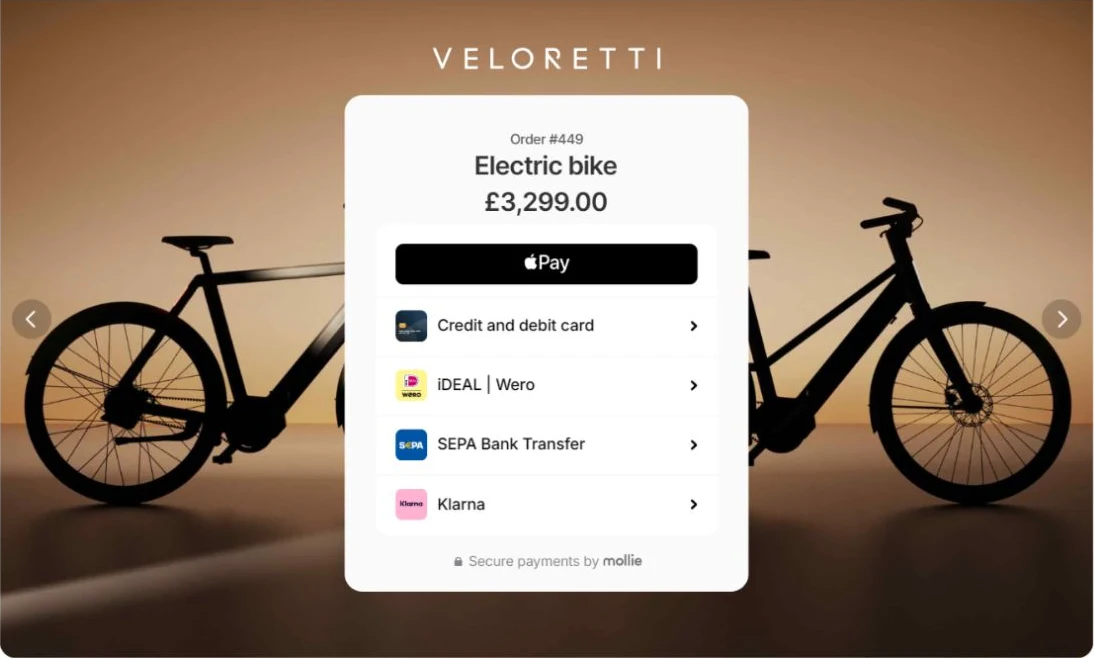
Its payments offering includes:
- Online checkout.
- Card payments and digital wallets.
- Local methods such as Bancontact and iDEAL/Wero.
- Payment links, including links added to invoices.
- Recurring collection options.
- Visibility across online and in-person payments.
UK online pricing for domestic consumer Visa and Mastercard payments is 1.20% + £0.20. Domestic commercial and European cards cost 2.90% + £0.20. These rates cannot be applied indiscriminately across card types or merchant countries.
The choice of methods should follow your customers. Check which method supports the first payment and which supports recurring collection. A familiar local option at initial checkout may lead to a subsequent SEPA Direct Debit.
Cons: Mollie’s business account and debit cards have separate eligibility requirements. Check availability for your registered business and country. Payment acceptance does not by itself confirm access to these products. Payment-method fees also need separate costing.
Reviews: G2 gives Mollie 4.0/5 from just 13 reviews. In an incentivised 2023 review, Finance F. valued revenue reporting but considered fees high. A 2023 review cannot show current costs.
Why choose: Consider Mollie for European payment acceptance where local methods matter. Confirm the methods and fees for your merchant entity and customer markets.
7. Brex: Corporate Spending for Qualifying US Companies
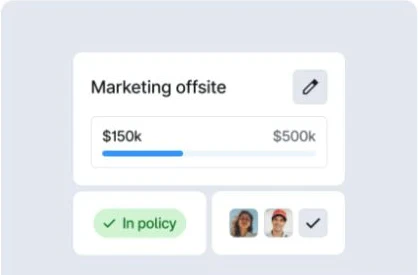
Pros: Brex combines corporate cards with expense management and business-account tools for qualifying US companies.
Its plans and expense tools include:
- Corporate cards and spending controls.
- Receipt matching and expense records.
- Employee reimbursements.
- Bill payment tools.
- Accounting integrations.
- Policy and approval capabilities that vary by plan.
Essentials costs $0 per user per month. Premium costs $12 per user per month, and Enterprise uses custom pricing. These are US-dollar software prices, and other payments or services may be charged separately.
Cons: Eligibility requires US incorporation, a US EIN, US operations and a physical US address, alongside other requirements and underwriting. A standalone UK or EEA company cannot assume it qualifies.
Its business-account tools also include customer invoicing. Assess those workflows separately from the checkout features you need.
Reviews: G2 rates Brex 4.8/5. In an incentivised March 2024 review, John H. praised employee-spend control and QuickBooks integration, while describing earlier invoice-recognition problems that he said had improved.
Why choose: Assess Brex when your qualifying US company needs corporate spending controls. Establish eligibility before comparing detailed card or policy features.
8. Payoneer: Marketplace and International Business Receipts
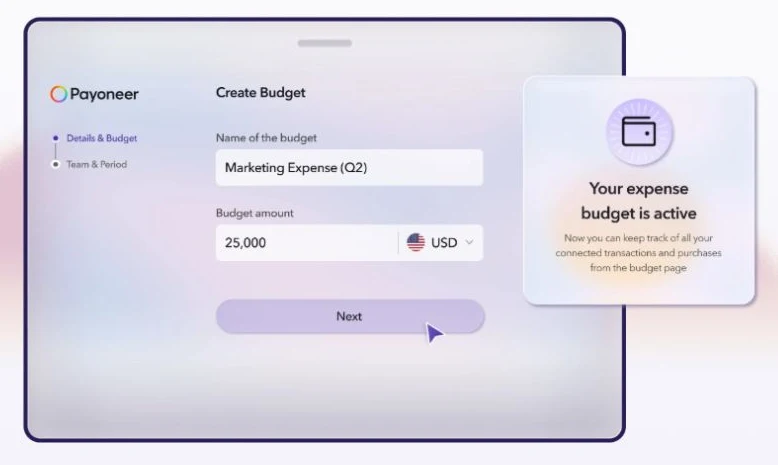
Pros: Payoneer supports marketplace receipts and international client payments. Its receiving accounts provide eligible businesses with payment details in supported currencies. These route funds to a Payoneer balance, not a full bank account.
Its product range includes:
- Marketplace payment receipts.
- Client payment requests.
- Receiving details in supported currencies.
- Payments to other businesses.
- Physical and virtual commercial cards, subject to eligibility.
- Expense management with permissions and spending controls.
The public pricing schedule depends on the region, account and payment method. It lists client card payments at up to 3.99% + USD 0.49 equivalent. Receiving from another Payoneer balance is free; sending can incur a charge. Check withdrawal, conversion and possible annual fees in your own tariff.
Cons: Its Checkout terms restrict the Stripe-provided service to US and Hong Kong entities. A UK business needs to confirm product availability before moving a payment flow.
Reviews: G2 rates Payoneer 3.2/5. In July 2026, William Munda L. praised international client payments but reported difficulty reaching support and delays during account verification.
Why choose: Shortlist Payoneer when international client or marketplace receipts are central to your business and the supported routes fit your customers.
How to Choose the Right PayPal Alternative
Start with the job that is causing the problem. For online customer payments, compare Stripe and Mollie against your present checkout. Include Square when counter sales are part of the same business. For recurring bank collections, examine GoCardless’s timetable and mandate process.
For overseas invoices and supplier payments, compare Wise and Payoneer using a real payment route. Write down the payer’s cost, the recipient’s final amount and the expected access to funds. A cheap receiving route can become expensive when the balance is withdrawn or converted.
For employee purchases and subscriptions, test Wallester’s card controls, receipt collection and accounting integration. Brex belongs in that assessment only when the company’s US eligibility is established. A business may retain PayPal for customers while moving company spending to a dedicated card workflow.
Use a month of actual transactions to compare fees. Include average sale value, card origin, refunds, disputes, currency conversion and software subscriptions. A provider with a lower percentage can still cost more if it charges a larger fixed amount on frequent small payments. Then test the work finance must do after the payment: finding the receipt, matching the transaction and closing the accounts.
How to Move a Payment Workflow
- Map the existing flow. Record how customers pay, where funds settle and which systems receive the accounting data.
- Confirm eligibility and charges. Verify the legal entity, required product and applicable tariff before integration work starts.
- Pilot a defined group. Test one checkout route, a set of recurring invoices or a small employee-card group.
- Reconcile the pilot. Check a payment, refund, receipt and accounting export. Include any failed-payment handling relevant to the workflow.
- Move the remaining users deliberately. Explain changed payment instructions and retain access to historical records and unresolved transactions.
For subscriptions, check whether a new customer authorisation is required. Keep a route for refunds and disputes on older transactions even after new payments move elsewhere.
Choose Around the Payment You Need to Change
The useful shortlist depends on the payment you need to change. Give each provider the same sample transaction or expense workflow and compare the result. If employee card spending is the immediate problem, explore Wallester Business and run a pilot that ends with a reconciled transaction in your accounting system.
Frequently Asked Questions
The best PayPal alternative depends on whether the business needs checkout, transfers or spending controls. Stripe and Mollie are options for online payment acceptance, while Square connects counter sales with online tools. Wise is relevant to international bank payments, and Wallester is relevant to company cards and expense records. Compare the product against your actual workflow and eligibility.
Mollie and Stripe support local payment methods for eligible merchants and markets. Mollie lists options including Bancontact and iDEAL/Wero, alongside cards and wallets. Check availability for your merchant country and whether the method works for one-off or recurring payments. Support for a payment method says nothing about business-account or card eligibility.
Some alternatives have no monthly subscription, but transaction or service fees still apply. For company card spending, Wallester's Free plan includes 300 virtual cards at €0 per month, with other applicable charges separate. Payment processors can charge per transaction even when their basic software has no subscription. Compare the full cost of the workflow you will use.
Stripe is not universally cheaper than PayPal because both have several payment categories. Stripe's standard UK-card rate is 1.5% + £0.20; PayPal publishes a 1.2% + £0.30 blended rate for eligible domestic Visa and Mastercard payments through Advanced Credit and Debit Card Payments. Other PayPal transactions and other Stripe card categories have different prices. Include conversion and additional services in the comparison.
Wise is an option for international bank receipts and supplier payments in supported currencies. Compare its transfer quote and receiving route with the PayPal service you currently use. Wise's Help Centre says card-payment acceptance is unavailable to new Wise Business customers. A bank-payment workflow and a card checkout therefore need separate checks.
GoCardless can be an alternative when customers authorise recurring bank collections. Its UK Standard domestic rate is 1% + £0.20, capped at £4 before VAT. For domestic Direct Debits above £2,000, an additional 0.3% applies only to the portion above that threshold. It does not collect credit or debit card payments. Check the collection and payout timetable before moving recurring invoices.
Wise and Payoneer are relevant options for eligible freelancers receiving international business payments. Compare the customer's available payment method, receiving currency and withdrawal cost. Wise's UK full-feature setup has a £50 one-off fee, while Payoneer's charges depend on the account and payment method. Confirm acceptance of your business type and country before changing invoice instructions.
Switching provider cannot guarantee that payments will never be reviewed or delayed. Check the new provider's verification, risk-review and payout terms. Keep business details accurate and retain evidence of the underlying sale. Cash-flow planning should allow for a delay while a payment or account is reviewed.
Business virtual cards do not, by themselves, replace a customer checkout. They are used for company purchases, while a checkout accepts money from customers. Wallester offers business cards and expense tools for the spending workflow. A business needing both functions should assess its customer payment provider alongside its card platform.
A business can assess PayPal for customer payments and Wallester for company card spending as separate workflows. That approach does not require treating one product as a complete replacement for the other. Confirm how funds will reach the relevant account and how both sets of transactions enter the accounts. This comparison does not describe a direct PayPal-to-Wallester integration.