Wallester has been ranked the fastest-growing fintech company in Europe in the Financial Times FT1000: Europe’s Fastest Growing Companies 2026, securing the #1 position in the Fintech, Financial Services & Insurance category and 38th place overall across all industries.
The annual ranking, compiled by the Financial Times and Statista, measures verified revenue growth across European companies over a multi-year period. Wallester’s position at the top of the fintech category comes during a period of significant change in the sector, as rising interest rates and tighter capital markets have pushed many fintech companies to prioritise profitability over expansion.
Despite this broader slowdown, Wallester has continued to scale rapidly, reflecting growing demand across Europe for the infrastructure that enables companies to launch and manage modern payment programmes.
The company also retained its position as Estonia’s fastest-growing company for the second consecutive year, further reinforcing the Baltic region’s role as one of Europe’s most active fintech innovation hubs.
Growth Supported by Tangible Scale
The FT1000 ranking is based on compound annual revenue growth (CAGR) between 2021 and 2024, independently verified by Statista.
Over that period, Wallester achieved:
- Compound Annual Growth: The company achieved a CAGR of 178.9% over the latest ranking period.
- Revenue Velocity: From a 2021 revenue of €790,267, Wallester grew to €9,140,000 by the end of 2023, and reached €17.2 million in audited revenue in 2024, representing 87% year-over-year growth.
- Job Creation: Reflecting its operational scale, the team has expanded from just three employees in 2020 to over 200 across offices in Estonia, Latvia, France, and the UK.
Operational coverage: 41 countries across the EEA and UK
The growth reflects accelerating adoption of embedded financial services, a model in which companies integrate payment capabilities directly into their products or operations.
According to industry estimates, embedded finance could generate more than €100 billion in annual revenue in Europe by 2030, as companies across sectors increasingly seek to control payments, expenses, and financial data within their own platforms.
Building the Infrastructure Behind Modern Payments
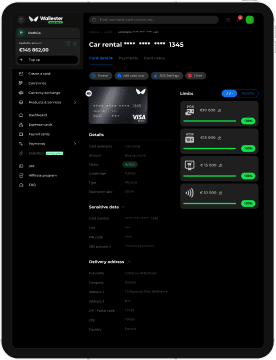
Founded in Estonia, Wallester provides fintech infrastructure that enables businesses to issue payment cards, manage corporate spending, and embed financial services into their own products.
Through its platform, companies can launch card programmes, create virtual and physical payment cards, implement real-time spending controls, and connect payment data directly to accounting systems and internal financial tools.
The company operates as a Visa Principal Member, enabling it to support payment programmes across the European Economic Area and the United Kingdom.
As fintech has matured, this infrastructure layer has become increasingly important. While the early wave of fintech innovation focused largely on consumer-facing neobanks and mobile apps, a growing share of industry investment is now directed toward the technology platforms that power financial services behind the scenes.
Scaling During a Fintech Reset
Wallester’s rapid growth has occurred during what many industry observers describe as a reset for fintech.
Between 2022 and 2025, venture funding for European fintech companies declined significantly as global capital markets tightened. Several high-profile startups shifted focus toward cost control and operational efficiency after years of expansion driven primarily by user growth.
Against this backdrop, Wallester has continued to invest in long-term infrastructure rather than short-term growth metrics — a strategy the company describes internally as “scaling with substance.”
Recent investments include:
- expanding the team to [200+] employees across engineering, compliance, and operations
- opening a new global headquarters in Tallinn
- establishing a Cannes office to strengthen access to Western European markets
- launching deeper integrations with accounting platforms, including Xero and QuickBooks


Leadership Designed for International Expansion
To support its continued international growth, Wallester has strengthened its leadership team with senior hires focused on commercial expansion and regulatory oversight.
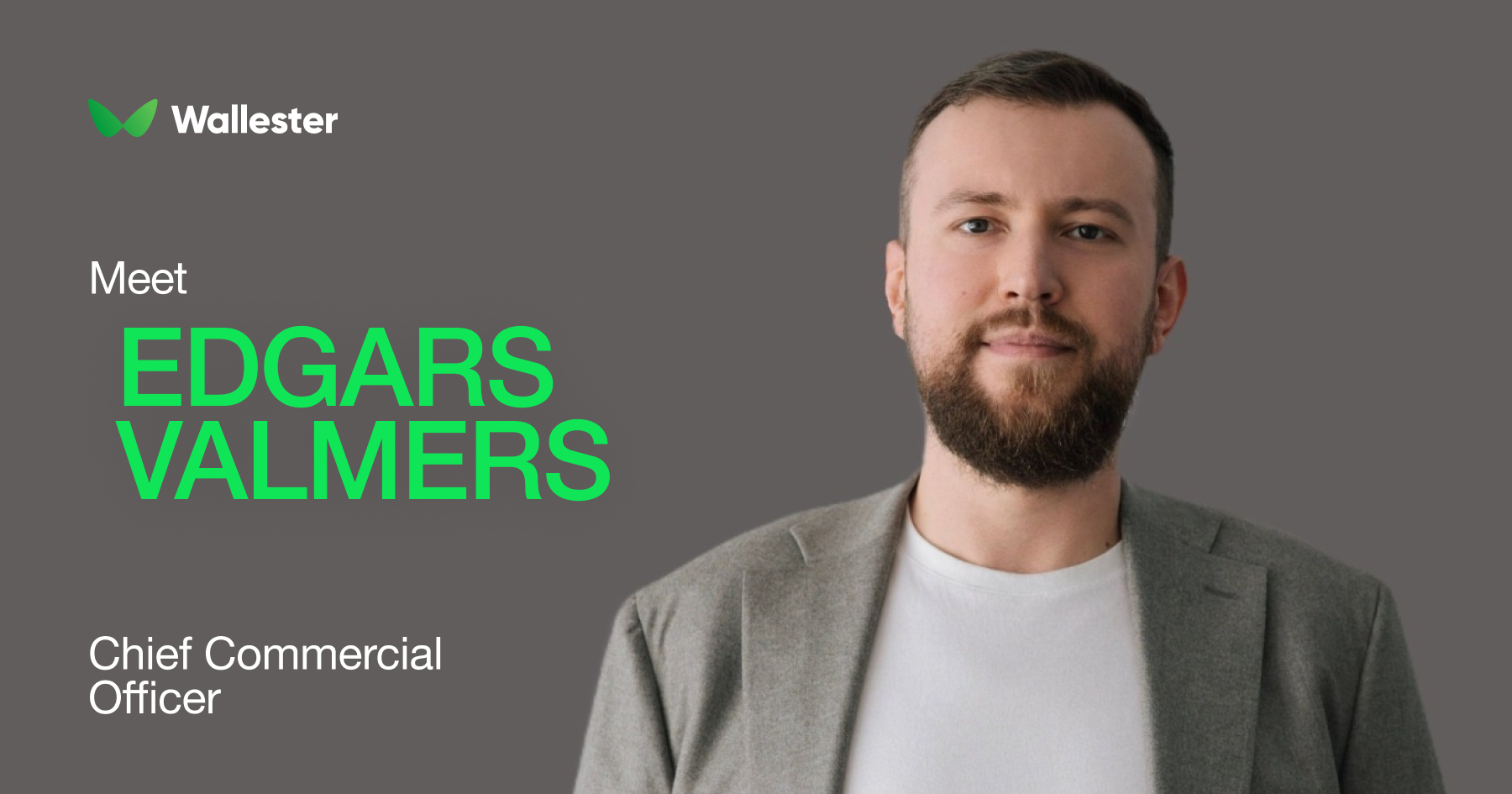
Edgars Valmers, appointed Chief Commercial Officer, leads the company’s expansion across the EEA and UK, focusing on partnerships with enterprises seeking to embed payment capabilities into their products.
Meanwhile, Indrek Tibar, appointed Head of AML, brings experience from both law enforcement and banking to further strengthen the company’s anti-money laundering and financial crime prevention frameworks.

As financial infrastructure providers scale across borders, compliance capabilities have become a central component of long-term competitiveness in the fintech sector.
CEO Perspective

“Being recognised by the Financial Times as Europe’s fastest-growing fintech is an important milestone for our company,” said Sergei Astafjev, CEO and Co-Founder of Wallester.
“Over the past several years, we have focused on building robust financial infrastructure — investing in technology, compliance, and operational resilience. As embedded finance becomes increasingly important for businesses across Europe, platforms that combine scalability with regulatory strength will play a key role in the next stage of fintech development.”
What the Ranking Signals About the Future of Fintech
Wallester’s position at the top of the FT1000 fintech category reflects a broader structural shift in the industry.
While the first decade of fintech innovation was dominated by consumer-facing applications, the next phase is increasingly being shaped by financial infrastructure providers — companies that enable other businesses to launch financial services within their own ecosystems.
As more industries integrate payments, card issuing, and expense management directly into their products, demand for this infrastructure layer is expected to continue expanding across Europe.
The FT1000 ranking suggests that companies building these foundational systems may play a defining role in the next stage of the continent’s financial technology evolution.