
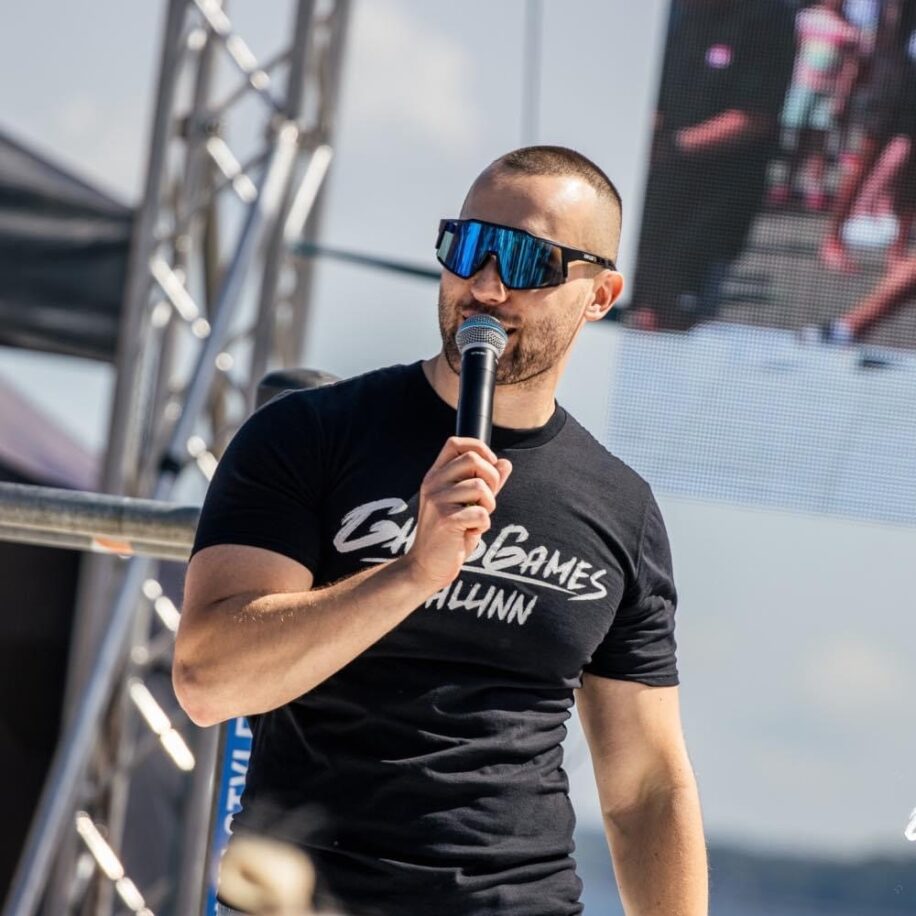
Danila Kuznetsov has been organising events since 2013 – across sports, government, entertainment, and business. He has coordinated world championships with participants from 50 countries, managed business conferences for the Baltic’s largest entrepreneurial community, and ran service and youth departments in local government.
He joined Wallester in late 2025 as an event manager and was recently promoted to event management team lead. In this interview, he talks about what it takes to plan and deliver events in fintech, how his background across very different worlds shaped his approach, and what’s next for Wallester’s event calendar.
Interviewer: You’ve been organising events since 2013 – from street workout world championships to business conferences to government ceremonies. What made you decide to bring that into a fintech company?
Danila Kuznetsov: Honestly, it wasn’t a straight line. My career in events has always moved between very different worlds: sports, government, business communities, entertainment. But the common thread was always the same: bringing people together and creating experiences that actually mean something.
Fintech might look far away from street workout championships or youth projects, but at the core it’s still about people, ideas, and momentum. Companies grow faster when people inside the organisation feel connected and when partners outside feel the energy of the brand.
So for me joining a fintech company wasn’t really a change of profession. It was simply a new arena to apply the same principles.
Interviewer: You were recently promoted to event management team lead after just a few months at Wallester. What changed in terms of responsibility?
Danila Kuznetsov: The biggest shift is thinking less about individual events and more about the system behind them.
When you’re organising an event, you’re focused on execution. When you’re leading the function, you start thinking about structure, planning months ahead, building processes, and making sure events actually support the company’s culture and goals.
Of course, it’s still about delivering great events. But also about building an event ecosystem that works consistently.
Interviewer: Event management in fintech is quite different from, say, organising aconcert or a sports competition. Or is it really? What transfers and what doesn’t?
Danila Kuznetsov: Surprisingly, a lot transfers.
Whether it’s a sports championship or a fintech event, the fundamentals remain the same: planning, logistics, communication, timing, and the ability to solve problems quickly.
The main difference is the audience. A fintech crowd is very analytical: developers, product people, investors. They don’t need flashy distractions. What they value is substance and clarity.
But in the end, people are people everywhere. In short, if an event feels authentic and well organised, they respond to it.
Interviewer: Walk us through what planning a Wallester event looks like from start to finish. Where does it begin and what does the timeline usually look like?
Danila Kuznetsov: Everything starts with a simple question: why are we doing this event?
Is it for employees, partners, brand visibility, education, networking? Once the purpose is clear, everything else becomes much easier.
Then we move into concept development, logistics, budgeting, supplier coordination, internal communication, and timeline planning.
In reality, events are always a mix of long preparation and fast decisions. You can spend months planning something that ultimately comes down to a few hours where everything has to work perfectly.
Interviewer: You’ve worked across very different settings – youth centres, city government, a booking agency, a Baltic business club. How has that shaped how you approach events now?
Danila Kuznetsov: One experience that shaped me a lot was working with the street workout community.
I started organising very small events in a local park, literally with a megaphone and one speaker. It was very grassroots: a few athletes, some music, friends gathering around. But the energy was real.
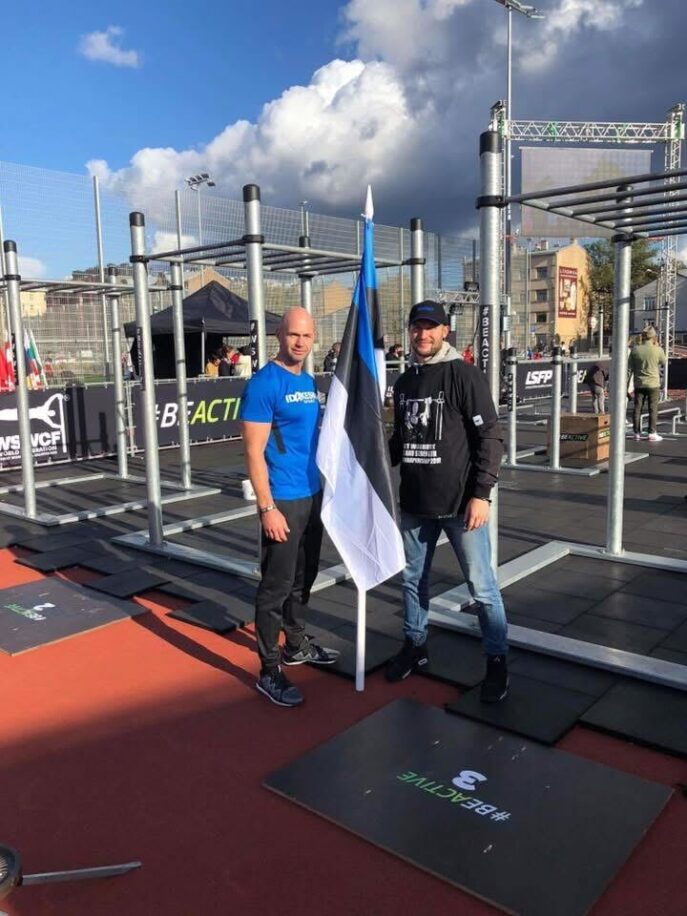
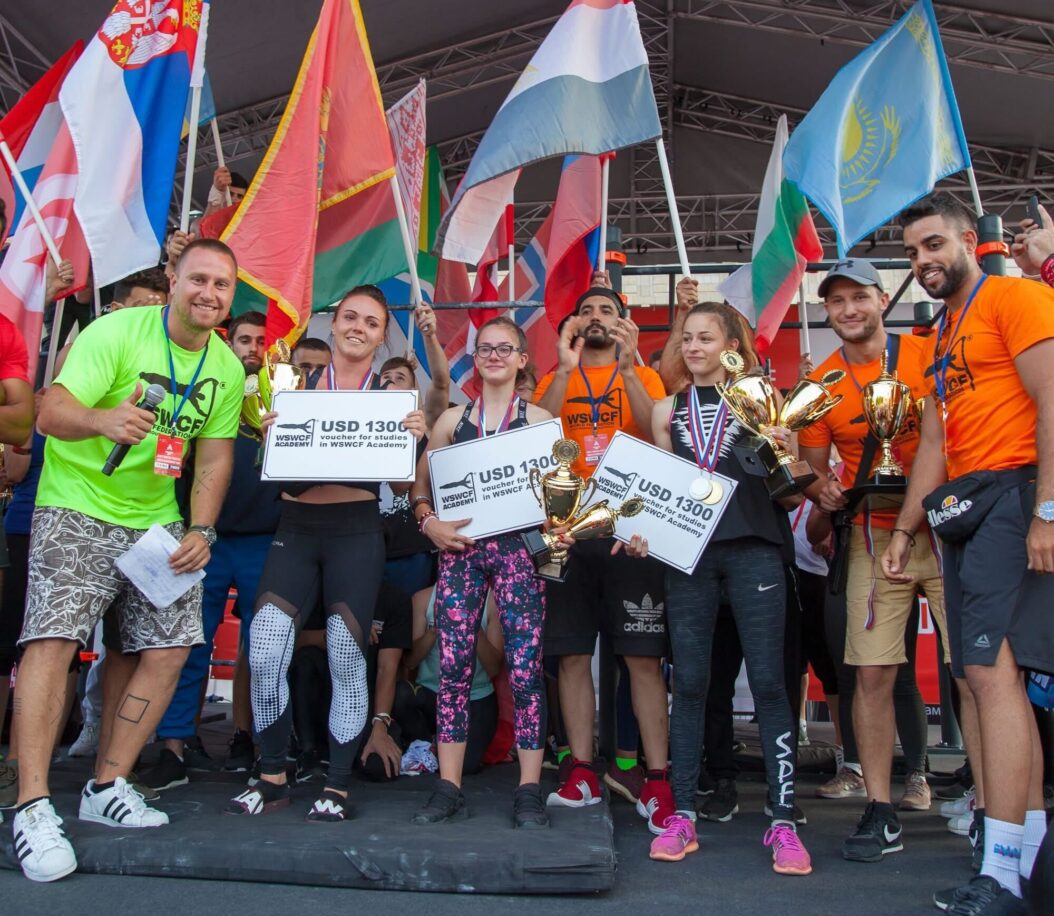
A few years later I found myself organising the Street Workout World Championships in Moscow, with more than 100 athletes from around 50 countries. The event took place at one of the main stadiums in the city. I remember standing there and suddenly realising the scale of it — national flags, international athletes, a huge crowd, officials, artists.
That moment really stayed with me. It was a reminder that big things often start very simply.
Interviewer: What’s the hardest part of corporate event management that people outside the field don’t see?
Danila Kuznetsov: Probably the number of moving parts.
From the outside an event might look simple. There’s a venue, a stage, and a few speakers. But behind that there are dozens of decisions, suppliers, technical details, and internal expectations that all have to align.
And the funny thing is: if everything goes perfectly, nobody notices how much work it took. Which is actually the best possible outcome.
Interviewer: You’ve organised events with participants from 50 countries, coordinated visa processes, managed cross-border logistics. How does that experience play into what you do at Wallester?
Danila Kuznetsov: International events teach you to plan ahead and stay calm when things get complicated.
When people are travelling from different parts of the world, something will almost always go wrong somewhere – delayed flights, paperwork issues, last-minute changes.
You learn to build systems that absorb those problems and keep the event moving forward. That mindset is extremely useful in any kind of event management.
Interviewer: What’s your process for deciding whether an event was actually successful – not just that it happened, but that it worked?
Danila Kuznetsov: For me success isn’t just attendance numbers.
It’s about the energy in the room, the conversations people have, the feedback afterwards, and whether the event actually achieved its purpose.
Sometimes a smaller event with the right people can be far more valuable than a large event that feels empty.
Interviewer: Fintech events tend to attract a specific crowd – developers, investors, compliance people. How do you make an event feel engaging rather than just another conference?
Danila Kuznetsov: The key is respecting the audience.
People in fintech are busy and analytical, so the event has to feel worthwhile. That means strong content, good pacing, and enough space for real conversations.
Often the most valuable moments don’t happen on stage at all but in the conversations between people.
Interviewer: You’ve managed teams across most of your roles – youth workers, administrators, volunteers. What’s your approach to leading a team, especially when things get hectic on event day?
Danila Kuznetsov: Preparation is everything.
If the team knows the plan, understands their roles, and trusts each other, the event day becomes much smoother.
And when things get hectic, which they always do, the most important thing is staying calm. Teams take their emotional cue from the person leading them.
Interviewer: What’s the most unexpected thing that’s gone wrong at an event you organised, and how did you handle it?
Danila Kuznetsov: After more than ten years in events, you learn that something unexpected always happens.
I remember one event in central Tallinn, in a park right in the city centre. Everything was ready, people were gathering – and suddenly the electricity just went out completely.
Our first reaction was honestly a bit chaotic. We even tried climbing a nearby pole hoping to find some kind of power socket. That obviously didn’t work.
In the end we solved it the simplest possible way. We connected the music to a car and kept the event going from there. And funny enough, people barely noticed the chaos happening behind the scenes.
Interviewer: What are you planning for Wallester’s event calendar this year? Anything you’re particularly excited about?
Danila Kuznetsov: This year is about building a strong rhythm of events inside the company and strengthening the community around it.
We’re planning internal events that bring the team together, as well as activities that connect Wallester with the wider fintech and business community.
I’m especially excited about creating experiences that people actually remember and not just another meeting in the calendar.
Interviewer: When you’re not planning events for work, what do you do to switch off?
Danila Kuznetsov: I try to stay active. Sports have always been an important part of my life.
But to be honest, even when I’m not working, my brain still observes events and environments. If I’m at a concert, a conference, or even a restaurant, I automatically start noticing how things are organised.
I guess once you’re in event management, that part of your brain never really switches off.